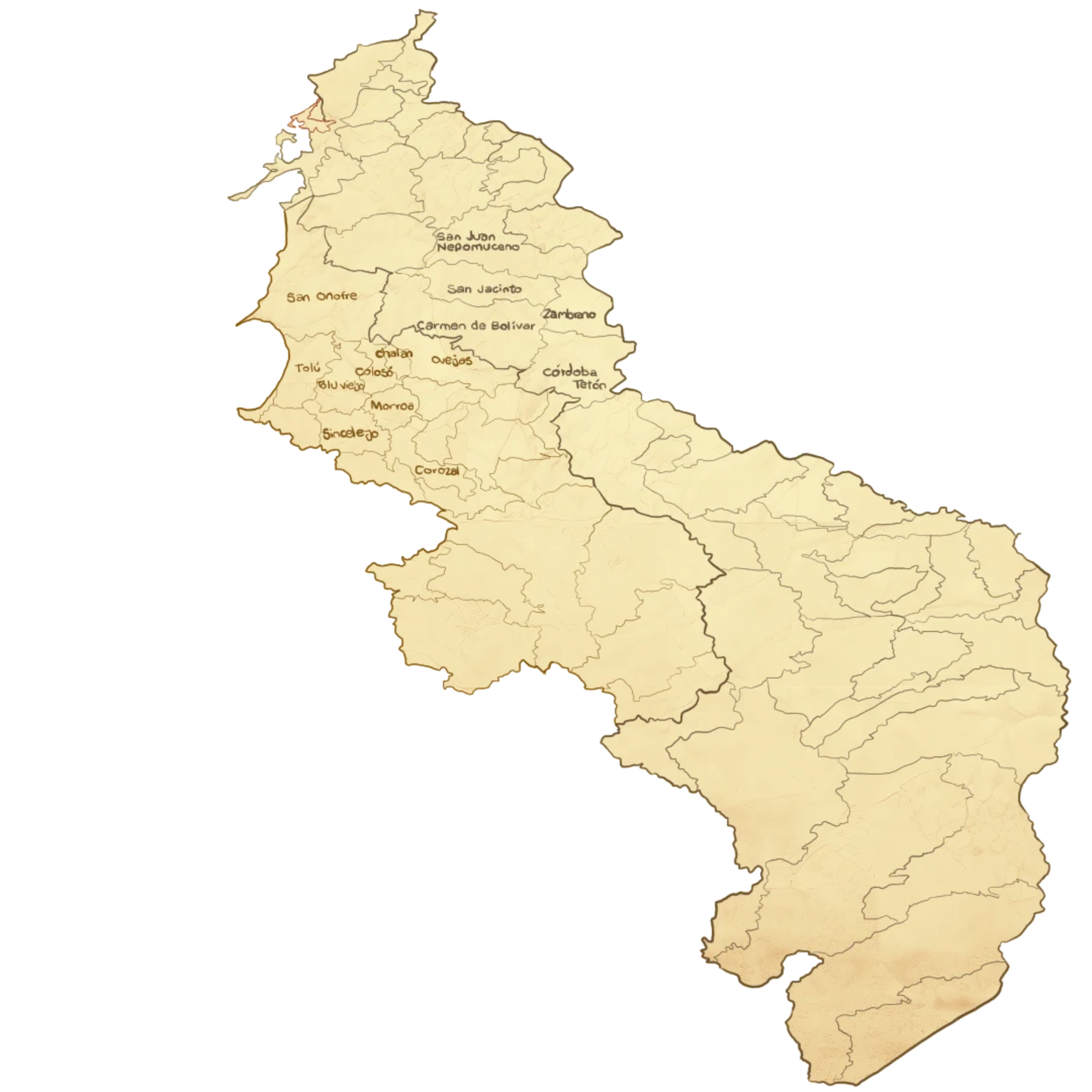
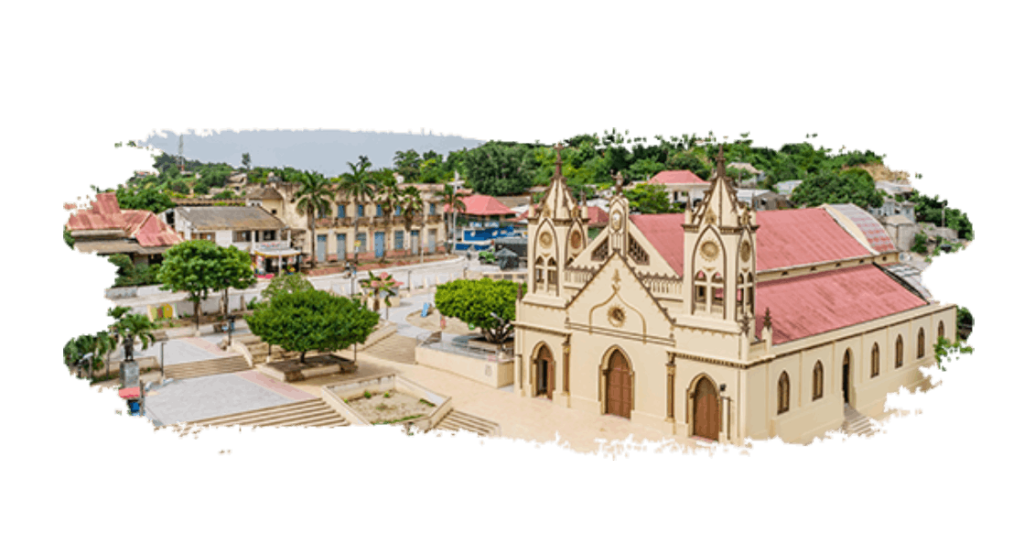
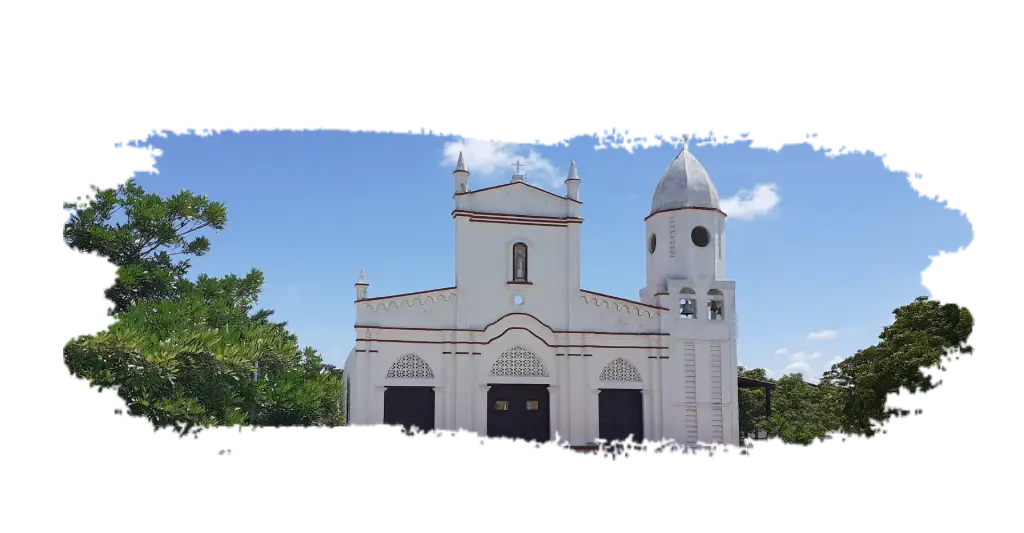
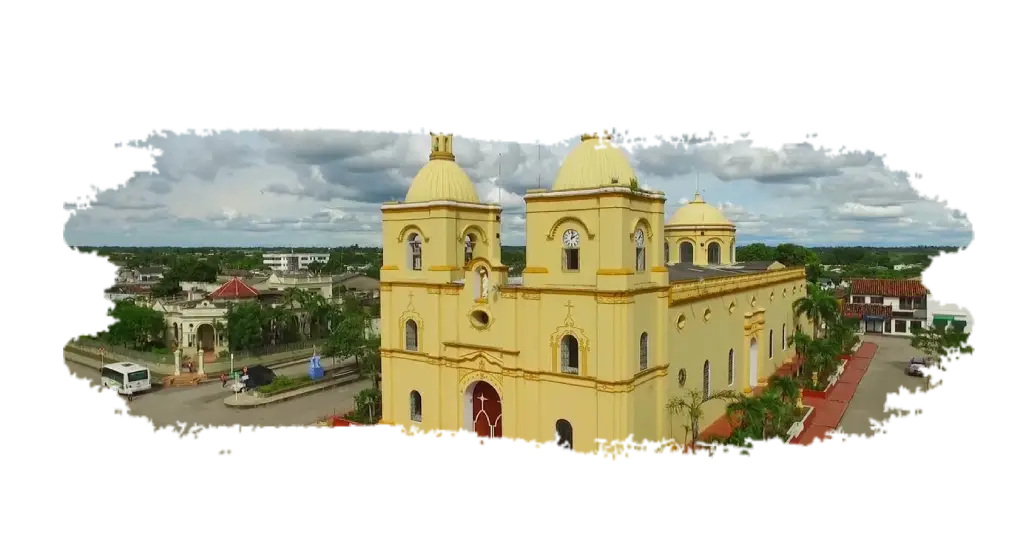
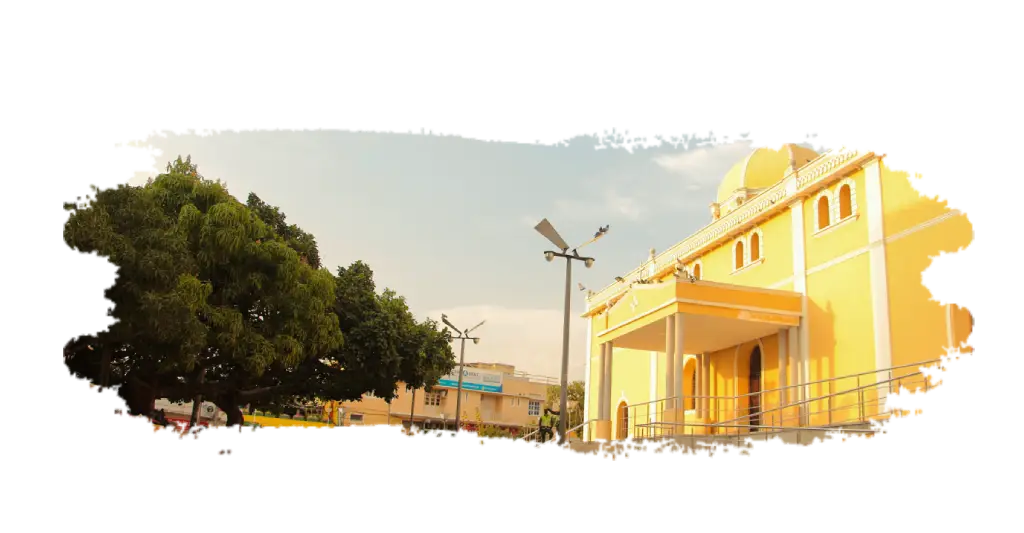
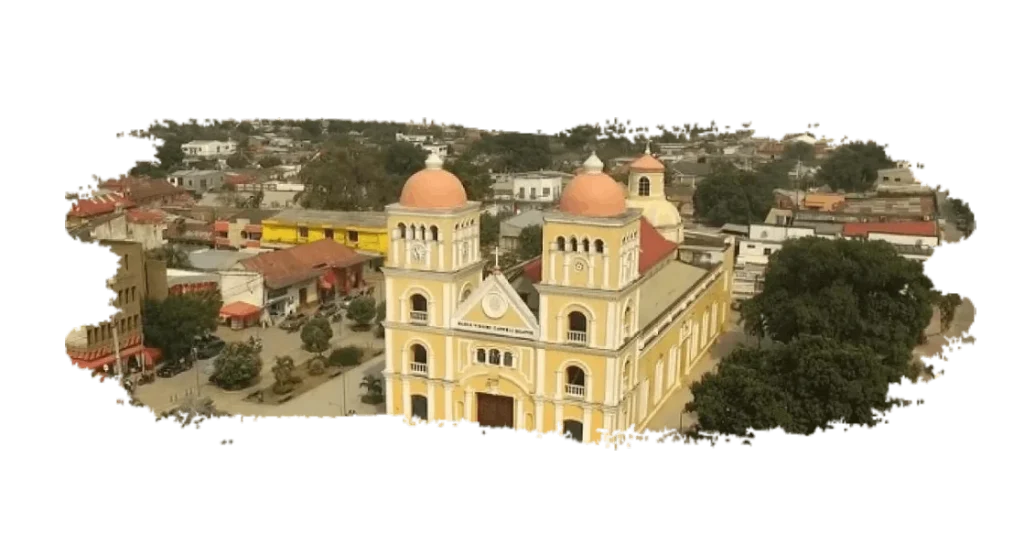
Rodeado por los paisajes verdes de los Montes de María, San Juan Nepomuceno es un territorio donde la tradición agrícola y la riqueza natural se entrelazan con la memoria histórica de la región. Al ser conocido por su cercanía al Santuario de Fauna y Flora Los Colorados, este municipio se proyecta como un punto clave para la conservación ambiental y el ecoturismo. Su identidad se construye entre la serenidad del campo y la determinación de una comunidad que apuesta por el desarrollo sostenible.
Reconocido como la cuna de la gaita y uno de los grandes bastiones del folclore caribeño, San Jacinto es un municipio donde la música nace del alma colectiva de su pueblo. Aquí, los sonidos de tambores y gaitas acompañan la tradición artesanal del tejido de hamacas y mochilas, símbolos de una identidad cultural profundamente arraigada. En cada calle y en cada fiesta, San Jacinto demuestra que la cultura es su mayor patrimonio y la fuerza que mantiene viva su historia.
Córdoba Tetón (Bolívar)
Entre los paisajes ondulados de los Montes de María, Córdoba Tetón es un territorio marcado por la fortaleza de su gente y la riqueza de su tradición rural. Este municipio respira la esencia del campo caribeño, donde la agricultura, la vida comunitaria y las festividades populares mantienen viva una cultura que se transmite de generación en generación. En su tranquilidad se esconde una historia de perseverancia que refleja la capacidad de sus habitantes para construir un futuro desde sus propias raíces.
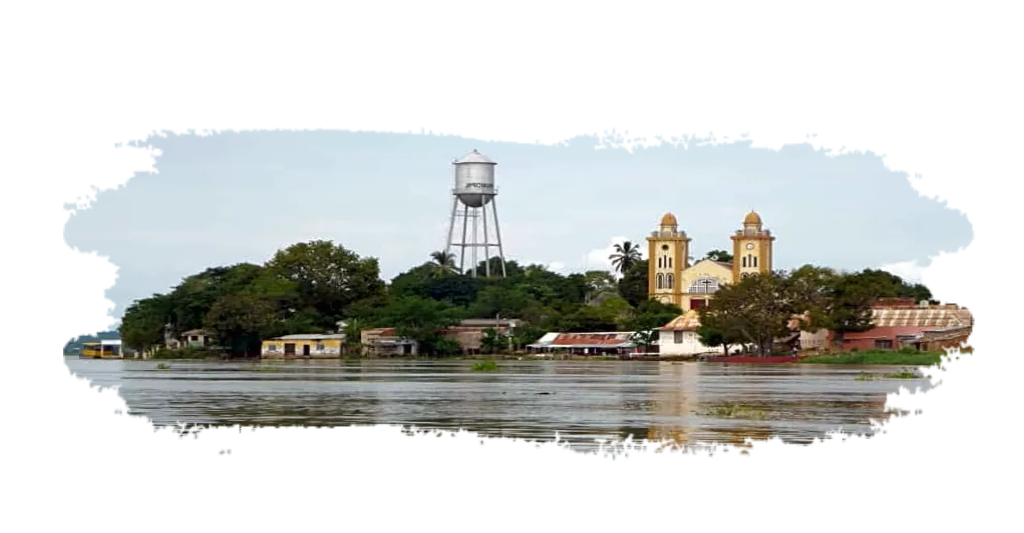
A orillas del majestuoso río Magdalena, Zambrano se levanta como un punto de encuentro entre el agua, la tradición y la memoria histórica del Caribe colombiano. Este municipio conserva el ritmo pausado de los pueblos ribereños, donde la pesca, la agricultura y las historias contadas al atardecer forman parte de la vida cotidiana. Su relación con el río no solo define su economía, sino también la identidad de una comunidad profundamente conectada con la naturaleza.
Chalán (Sucre)
Enclavado entre montañas y bosque seco tropical, Chalán es un refugio natural dentro de los Montes de María. Este pequeño municipio destaca por la belleza de sus paisajes, la riqueza de sus fuentes de agua y la tranquilidad de su vida rural. Más allá de su tamaño, Chalán representa la conexión profunda entre comunidad y naturaleza, donde el respeto por el entorno y la vida campesina se convierten en pilares de su identidad y su futuro.
Tierra de memoria histórica y tradición cultural, Ovejas ocupa un lugar especial en la identidad de los Montes de María. Este municipio ha sido escenario de importantes encuentros sociales y culturales que han marcado la historia reciente de la región. Desde los espacios públicos del casco urbano, transformados por el folclor, hasta las escuelas y quioscos comunitarios de sus zonas rurales, el territorio se ha convertido en un aula viva de diálogo social. Entre montañas y caminos rurales, su gente mantiene vivas las expresiones musicales y la agricultura campesina, sembrando así la esperanza de un territorio que avanza con paso firme hacia la reconciliación y la construcción de paz.
Morroa (Sucre)
El telar donde se teje el alma de Sucre. Reconocida como la Cuna de la Hamaca, sus artesanos transforman hilos en obras de arte que recorren el mundo, manteniendo viva una tradición ancestral que es símbolo de identidad y paciencia. En sus calles, el arte del tejido no es solo un oficio, sino un lenguaje de resiliencia cultural y autonomía económica que une a generaciones, convirtiendo a Morroa en un referente indispensable del patrimonio inmaterial del Caribe.
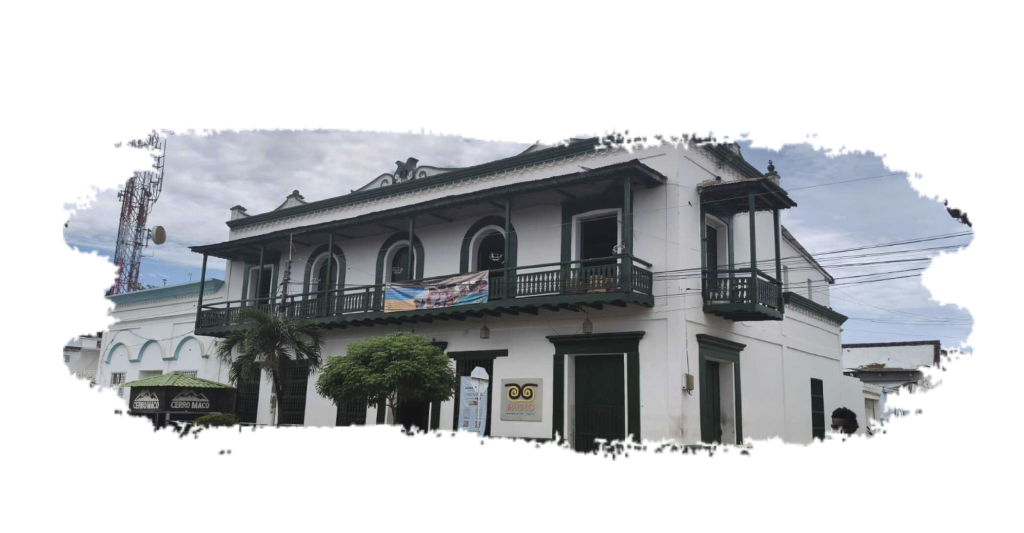
Conocida con orgullo como La Perla de la Sabana, Corozal destaca por su elegancia arquitectónica. Es un municipio donde la cultura se respira en cada esquina. Corozal representa el equilibrio perfecto entre la tradición sabanera y la ambición de un pueblo que ve en el conocimiento y la integración regional las herramientas para seguir brillando en el panorama sucreño.
Sincelejo (Sucre)
La Ciudad del Encuentro es el latido vibrante de las sabanas de Sucre. Al ser la capital departamental, se consolida como el epicentro cultural y comercial donde convergen las tradiciones del campo y el empuje de la modernidad. Entre el eco de los fandangos y la majestuosidad de sus fiestas del 20 de Enero, este municipio se proyecta hacia el futuro como una urbe orgullosa de su gastronomía y su vocación ganadera, liderando el progreso regional con determinación.
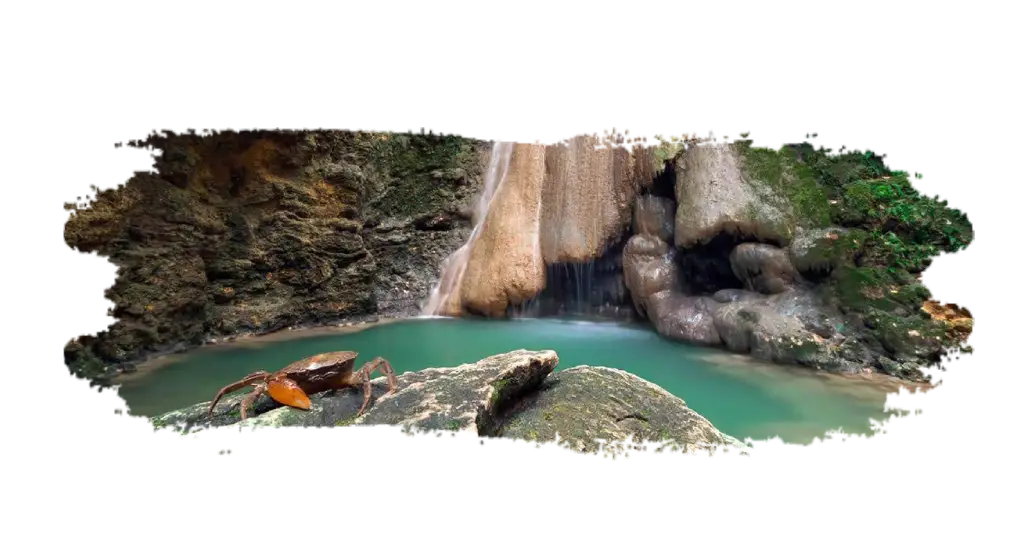
Ubicado en el corazón de la Serranía de Coraza, reserva forestal ubicada en los Montes de María, Colosó es el pulmón verde y el santuario del agua en Sucre. Este municipio se encuentra rodeado de bosques secos tropicales y arroyos cristalinos; este entorno lo convierte en un símbolo de la biodiversidad y la resistencia ecológica. Su gente ha logrado encontrar en el ecoturismo y la conservación de la fauna un camino de paz, invitando al mundo a descubrir un paraíso donde la naturaleza y la comunidad coexisten en una armonía renovada.
Toluviejo(Sucre)
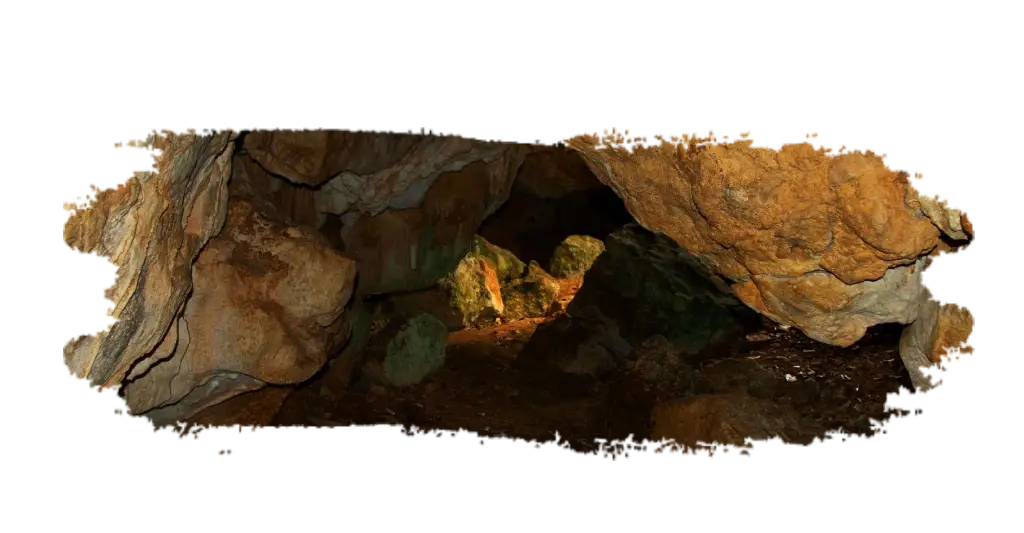
Esta es la memoria viva de la piedra y el tiempo. Siendo reconocido por sus imponentes formaciones de piedra caliza y sus cavernas ancestrales, este municipio es un testimonio de la geología y la historia precolombina de la región. Su identidad se teje entre la laboriosidad de sus mineros y la tranquilidad de un pueblo que ha sabido conservar su esencia rural, posicionándose hoy como un destino clave para el espeleísmo y el reconocimiento de nuestras huellas más remotas.
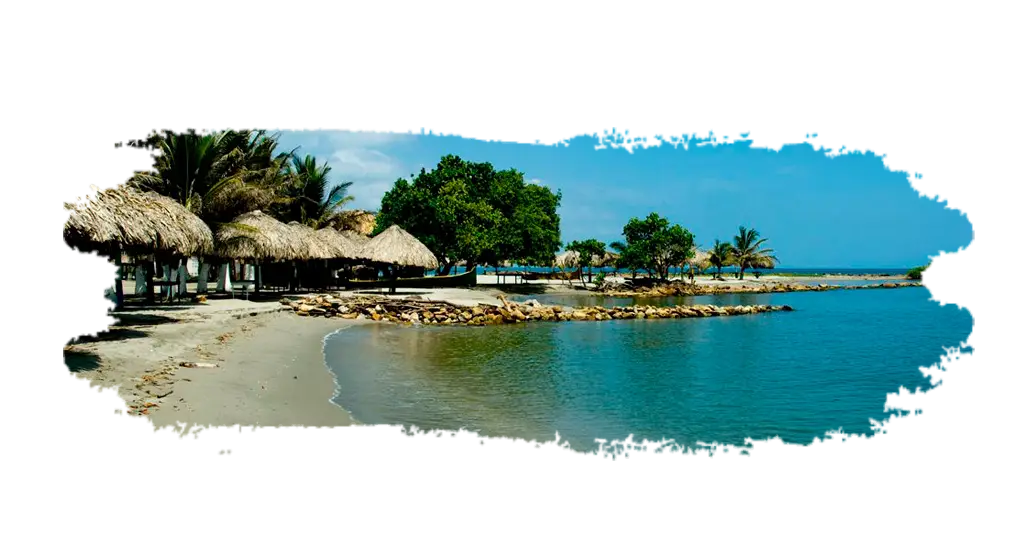
Al ser uno de los asentamientos más antiguos de Colombia, Santiago de Tolú es el guardián de la historia en el golfo de Morrosquillo. Este puerto de esperanzas fusiona su pasado colonial con la alegría de un presente volcado al mar. Más allá de las playas bañadas por el sol, este municipio representa la vitalidad económica y el espíritu hospitalario de Sucre, en el cual el turismo se transforma en el motor de un desarrollo que no olvida sus raíces ni la calidez de su brisa marina.
San Onofre (Sucre)
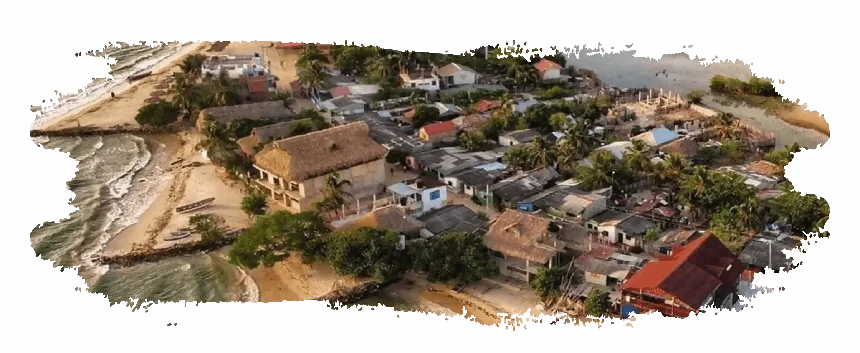
El puente sagrado entre los Montes de María y el mar Caribe. Como cuna de la herencia afrodescendiente, este territorio vibra al ritmo del bullerengue y se nutre de la sabiduría de sus pescadores y campesinos. A pesar de los desafíos históricos, este municipio ha transformado su dolor en una apuesta por el ecoturismo y la preservación cultural, logrando demostrar que su verdadera riqueza reside en la dignidad de su gente y la belleza de sus costas.
El Carmen de Bolívar es un pilar fundamental en la región de los Montes de María. Como despensa agrícola del Caribe colombiano, este territorio ha visto nacer una rica cultura manifestada en expresiones ancestrales como la música de gaita, el bullerengue y el arte del tejido. A pesar de las huellas del conflicto, El Carmen de Bolívar hoy se erige como un símbolo de resiliencia y esperanza, donde la comunidad ha demostrado que la cultura viva y la autonomía económica son el camino para convertir el dolor en un proyecto colectivo de futuro.